
Best UX Design Books for UI/UX Designers (2026)
Essential UX design books for UI/UX designers — curated for 2026
The best UX design books for 2026 start with Don't Make Me Think, The Design of Everyday Things, and Designing Interfaces — three classics every UI/UX designer should read. This curated list also covers systems thinking, research practice, AI product design, data visualization, and the business of design — from Thinking in Systems and Articulating Design Decisions to Practical Charts and The Staff Designer. Pair these UX design books with the UX tools and AI tools on Design Sweets when you want theory plus practice.
Featured
Feature your tool herePin this list · $112/mo · labeled PartnerResources
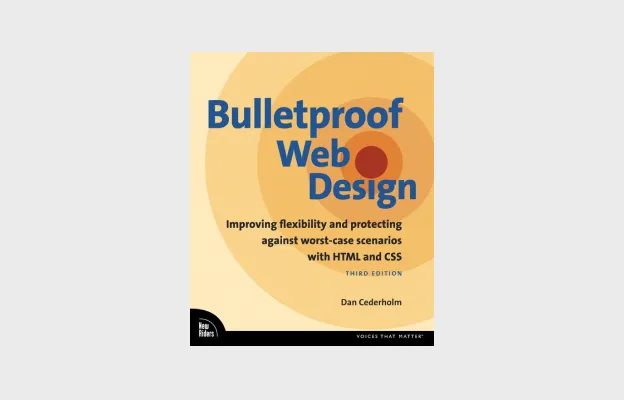
"Bulletproof Web Design" by Dan Cederholm
Provides techniques for creating robust and flexible web designs.
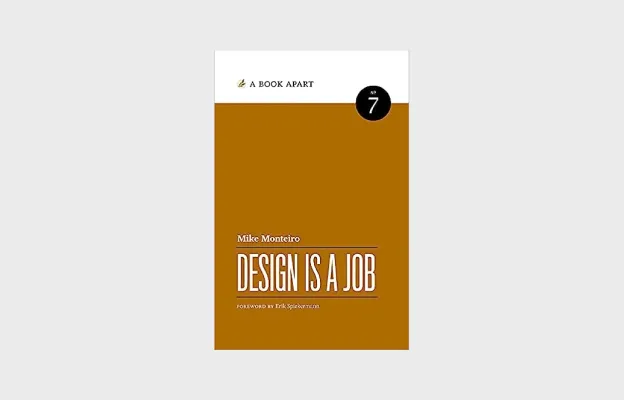
"Design Is a Job" by Mike Monteiro
The first edition of this book taught you how to sell design, draw up contracts, work with clients, and navigate the business of design.
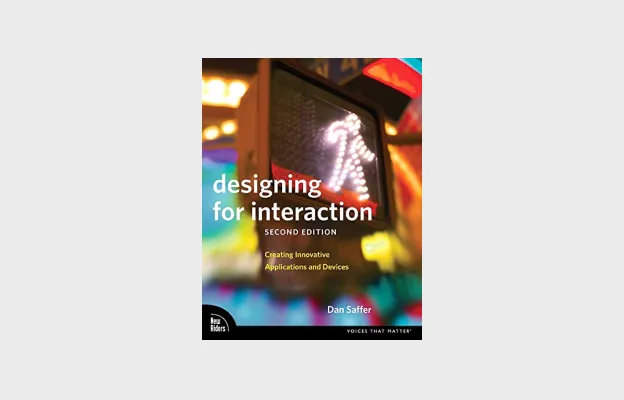
"Designing for Interaction" by Dan Saffer
Explores principles and practices of interaction design.
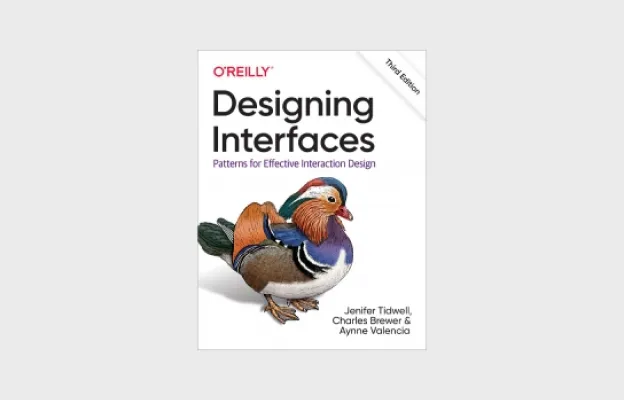
"Designing Interfaces" by Jenifer Tidwell
Covers principles and patterns for designing user interfaces.
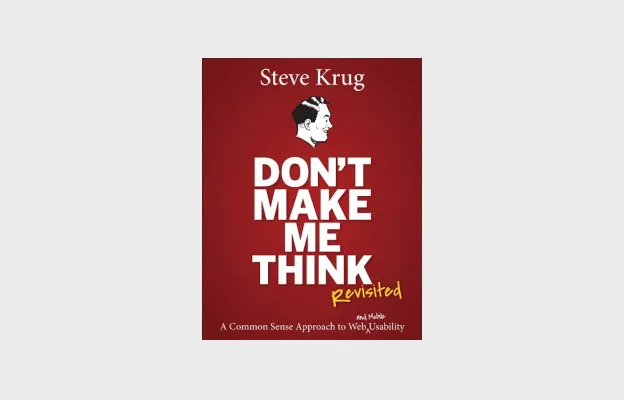
"Don't Make Me Think, Revisited" by Steve Krug
An updated edition of the classic guide to web usability.
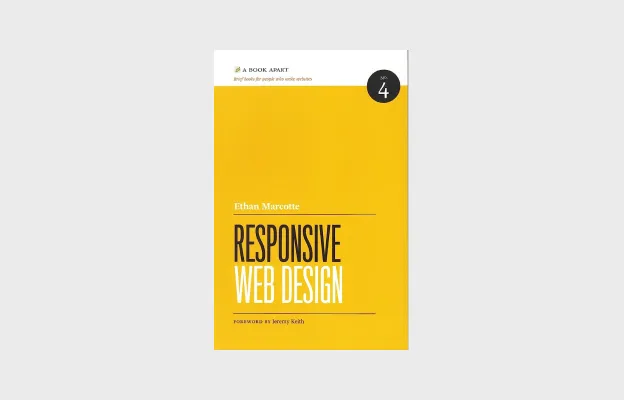
"Responsive Web Design" by Ethan Marcotte
Covers techniques for designing websites that adapt to different devices.
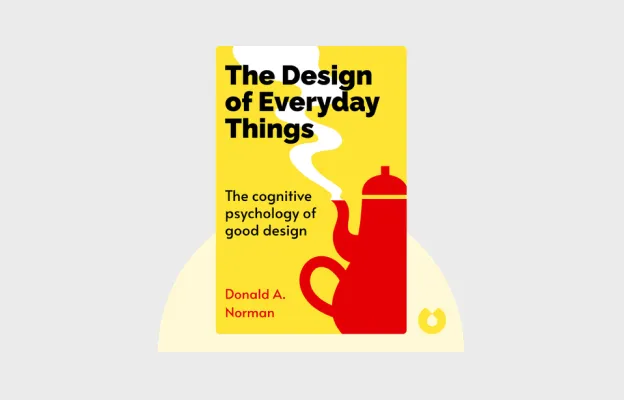
"The Design of Everyday Things" by Don Norman
Explores the psychology of design and usability principles.
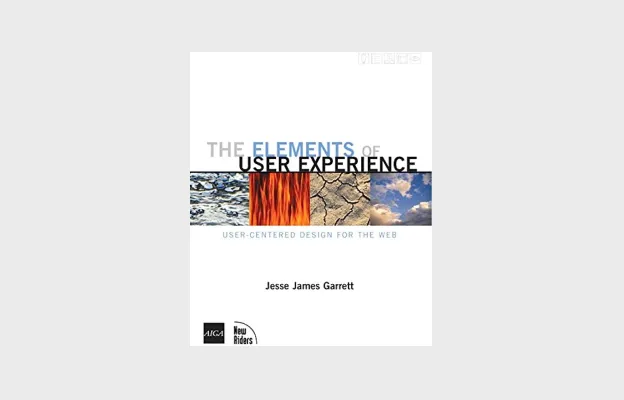
"The Elements of User Experience" by Jesse James Garrett
Explores the process of creating meaningful user experiences.
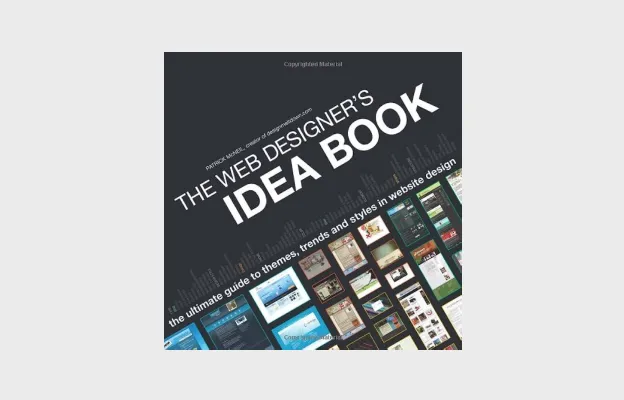
"The Web Designer's Idea Book" by Patrick McNeil
Showcases web design examples and provides inspiration.
"How Big Things Get Done" by Bent Flyvbjerg and Dan Gardner
Research-backed look at why ambitious projects slip, and how planning from the outcome backward reduces cost overruns and schedule risk.
"Factfulness" by Hans Rosling
A clear-eyed framework for reading the world with data — spotting real progress, remaining problems, and decisions that hold up under evidence.
"The Phoenix Project" by Gene Kim, Kevin Behr, and George Spafford
A novel about an IT rescue that doubles as a field guide to flow, constraints, and keeping a product organization running.
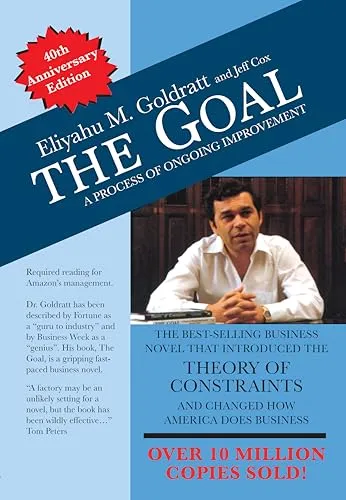
"The Goal" by Eliyahu Goldratt
The theory-of-constraints classic: find the constraint, fix it, and lift the whole system — useful for PMs, product designers, and staff ICs.
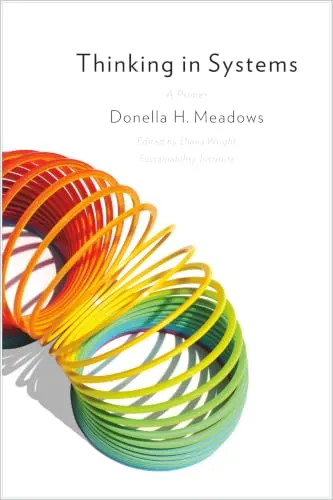
"Thinking in Systems" by Donella Meadows
A lucid primer on systems, feedback loops, and choosing the leverage point — when, where, and how hard to push.
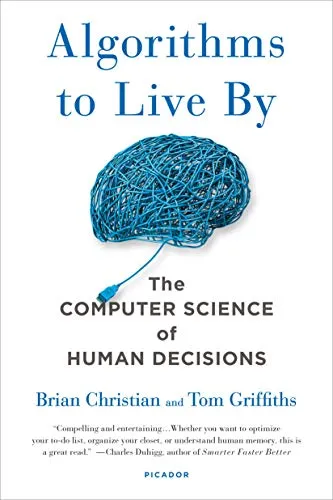
"Algorithms to Live By" by Brian Christian and Tom Griffiths
Computer-science ideas applied to everyday choices — when to stop searching, how to sort priorities, and how to live with too many options.
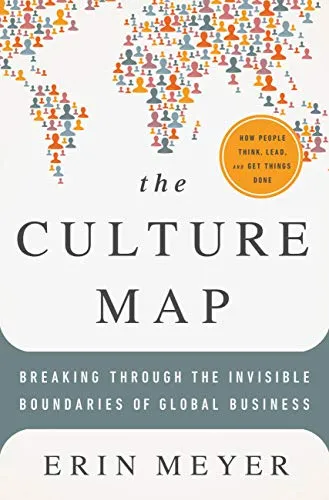
"The Culture Map" by Erin Meyer
A map of how cultures differ on feedback, trust, meetings, and decisions — written for people who work across borders every week.
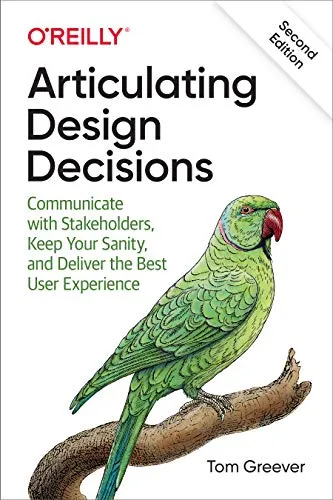
"Articulating Design Decisions" by Tom Greever
Tactics for presenting UX work so executives and approvers understand the trade-offs and can say yes with confidence.
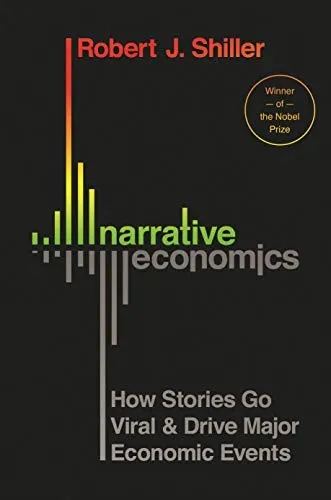
"Narrative Economics" by Robert Shiller
An economist's case that viral stories — not only numbers — shape markets, public mood, and what people do next.

"Envisioning Information" by Edward Tufte
Tufte's dense classic on packing complexity onto a page without losing clarity — required reading for serious data visualization.
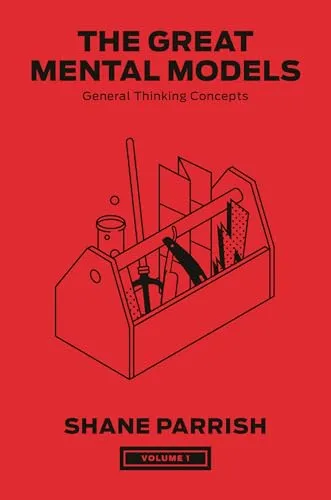
"The Great Mental Models" by Shane Parrish
A series of thinking tools for learning unfamiliar domains, spotting patterns, and making sense of messy problems.

"A Pattern Language" by Christopher Alexander
An architecture classic that also teaches how patterns organize spaces — and how to reason about living, working systems.
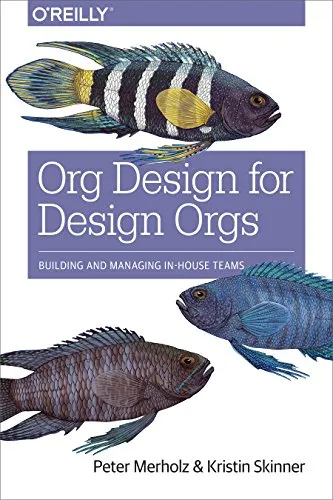
"Org Design for Design Orgs" by Peter Merholz and Kristin Skinner
A rare operating manual for in-house design orgs: hiring, roles, structure, and how the team scales.
"Thinking in Bets" by Annie Duke
A poker champion's method for judging decisions when the data is incomplete and the outcome is still unknown.
"The Missing Billionaires" by Victor Haghani and James White
Long-horizon thinking about risk and money — strategy for decisions that compound over years, without reading like a finance textbook.
"Why Design Is Hard" by Scott Berkun
A short, candid look at why design work is difficult inside real organizations — and how to work with that friction.
"Practical Charts" by Nick Desbarats
A plain-language handbook for honest, functional charts, with decision trees that help you pick the right graph for dashboards and reports.
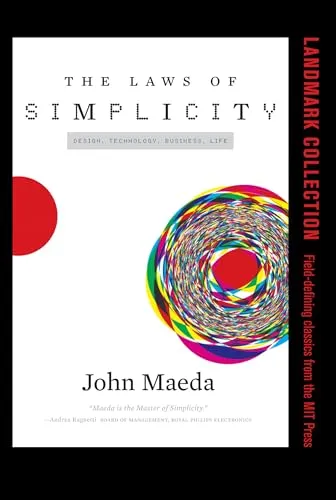
"The Laws of Simplicity" by John Maeda
Maeda's brief manifesto on reducing complexity — ten laws that still shape how many designers edit their work.
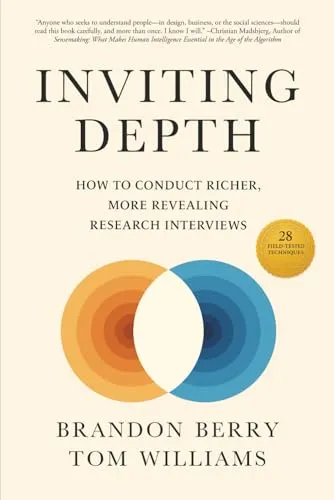
"Inviting Depth" by Brandon Berry PhD and Thomas Williams
Field techniques for interviews that go past surface answers and help participants share what actually matters.
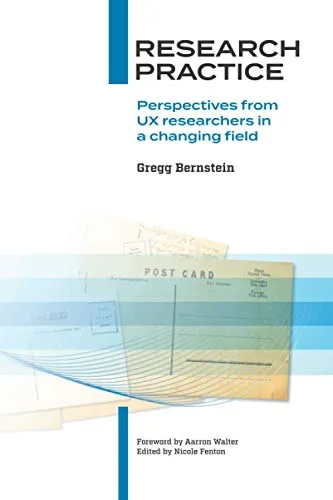
"Research Practice" by Gregg Bernstein
Day-to-day guidance for running a research practice well — relationships, ethics, sharing work, and growing the function.
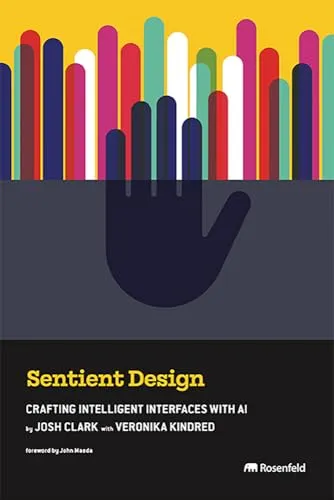
"Sentient Design" by Veronika Kindred and Josh Clark
A hands-on framework for treating AI as a design material and building interfaces that adapt in the moment.
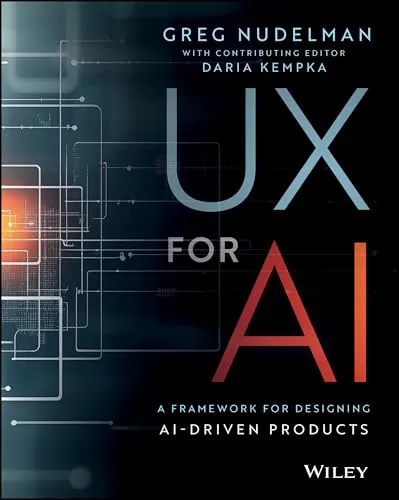
"UX for AI" by Greg Nudelman
A technical, case-study-heavy playbook for researching, designing, and shipping AI-driven products from the ground up.
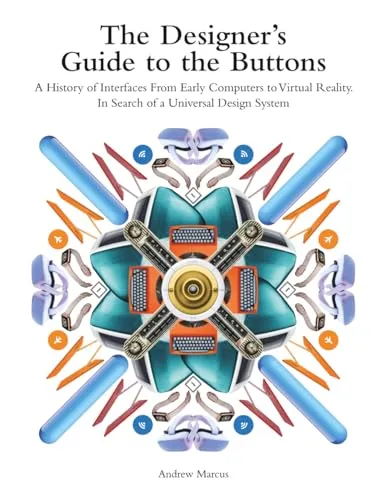
"The Designer's Guide To The Buttons" by Andrey Markelov
A visual history of UI components — buttons, fields, menus, and more — traced from early computers through today's spatial interfaces.
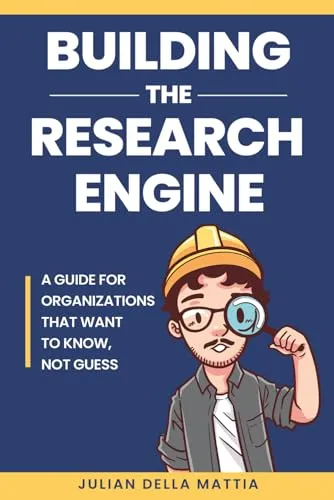
"Building The Research Engine" by Julian Della Mattia
How to stand up research in an organization so studies happen consistently and findings actually reach the people who decide.
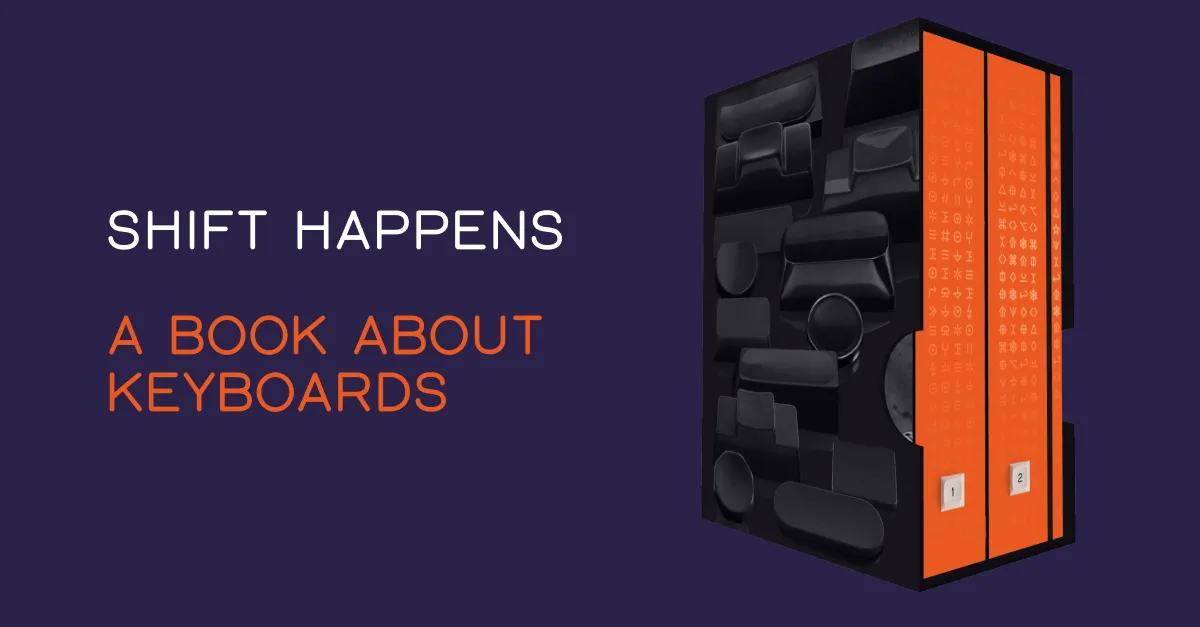
"Shift Happens" by Marcin Wichary
A two-volume history of keyboards and layouts, from typewriters to the keys on a phone. Currently out of print.

"Designed With Care" curated by Rachel Edwards
Essays on writing and designing content that accounts for trauma — across government, health, research, and digital services.
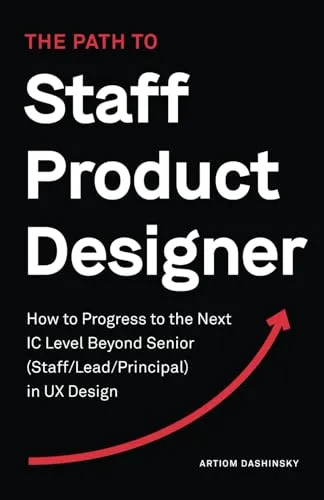
"Staff Product Designer" by Artiom Dashinsky
A frank map of the staff/lead/principal IC track — what companies expect and how designers grow past senior.
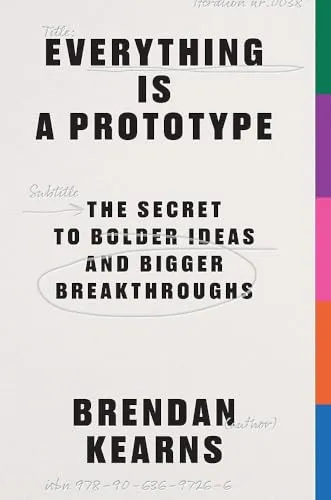
"Everything is a Prototype" by Brendan Kearns
A case for treating ideas as experiments — methods that make prototyping faster and less precious.
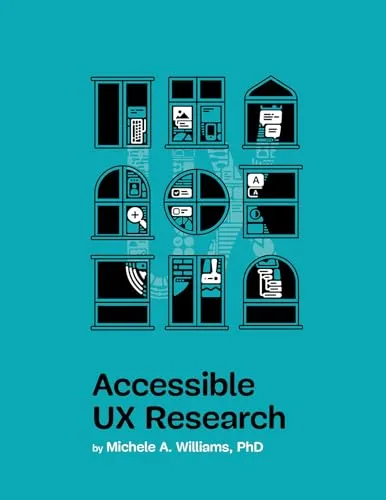
"Accessible UX Research" by Michele A. Williams, PhD
Smashing's guide to inclusive research: recruiting disabled participants, running accessible sessions, and reducing bias without turning inclusion into a checklist.
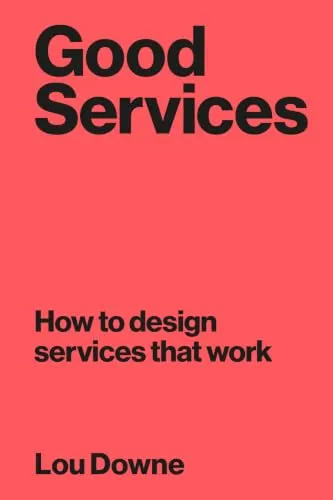
"Good Services" by Lou Downe
Fifteen principles for services that let people finish what they came to do, with as little friction as possible.
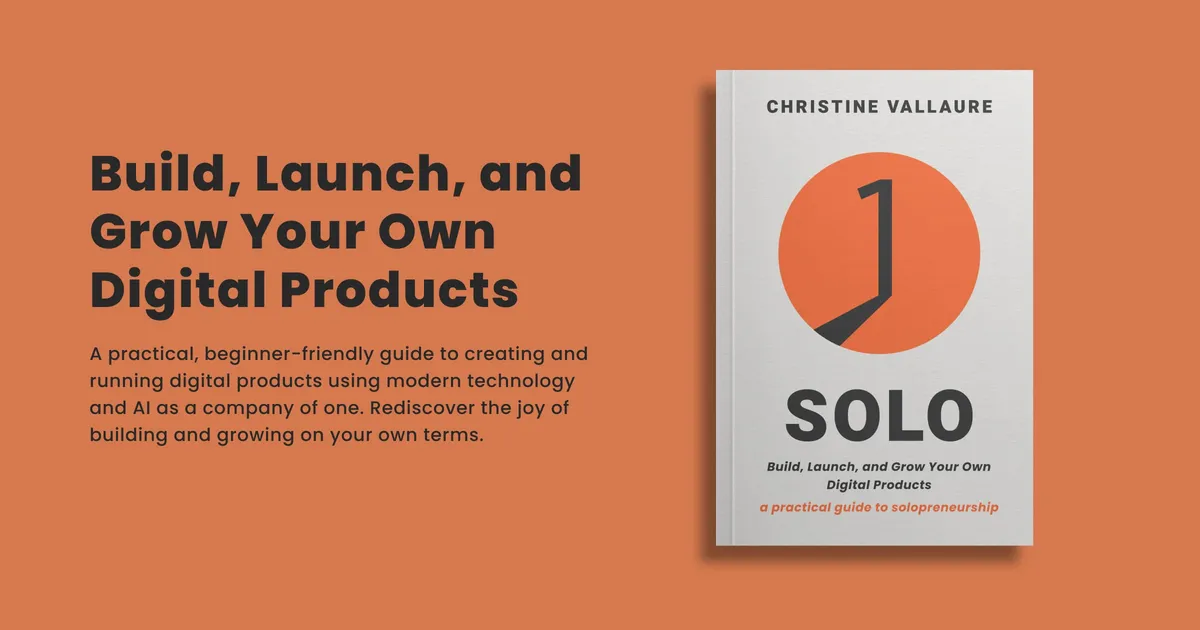
"The Solo" by Christine Vallaure de la Paz
A company-of-one playbook for designers who want to ship and grow their own digital products, with or without code.
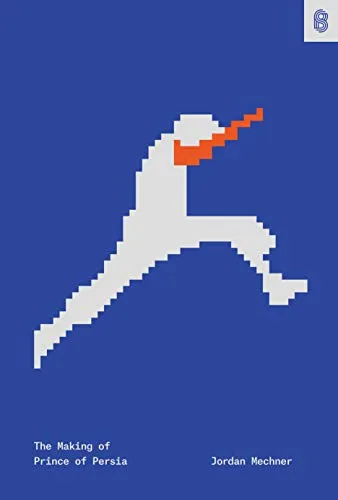
"The Making of Prince of Persia: Journals 1985–1993" by Jordan Mechner
Mechner's annotated journals from making Prince of Persia — a first-person record of craft, persistence, and shipping a classic.
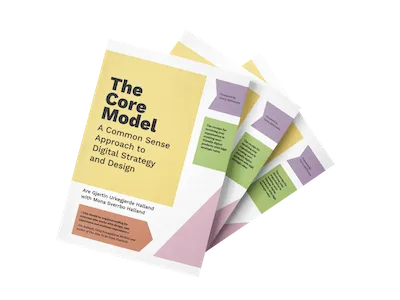
"The Core Model Digital Strategy" by Are Halland
A collaborative method for digital strategy that starts with the most important content and works outward with the whole team.
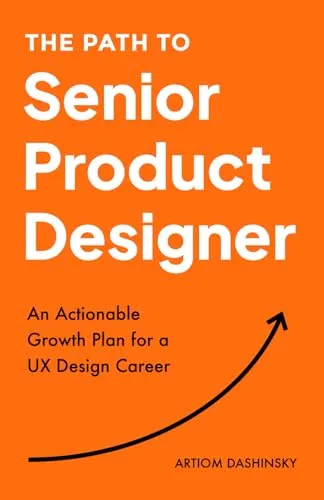
"The Path to Senior Product Designer" by Artiom Dashinsky
A growth plan for reaching senior product design — the skills companies evaluate beyond tools, plus templates for a promotion path.
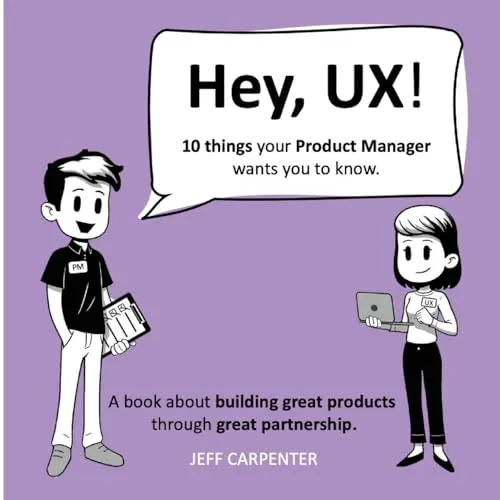
"Hey UX, Hey PM" by Jeff Carpenter
A two-sided guide that helps designers and PMs understand each other's constraints and work as one product pair.
"The Staff Designer" by Catt Small
How staff-level designers lead with influence instead of a team — vision, boundaries, and impact without becoming a manager.
"CHART" by Nadieh Bremer
Lessons for taking ordinary charts toward custom, memorable data stories — from default graphs to data art.
"Dashboards That Deliver" by Steve Wexler, Jeffrey Shaffer, Andy Cotgreave, and Amanda Makulec
A full process for dashboards that get used — discovery, prototyping, viz choices, launch, and measuring whether they change decisions.
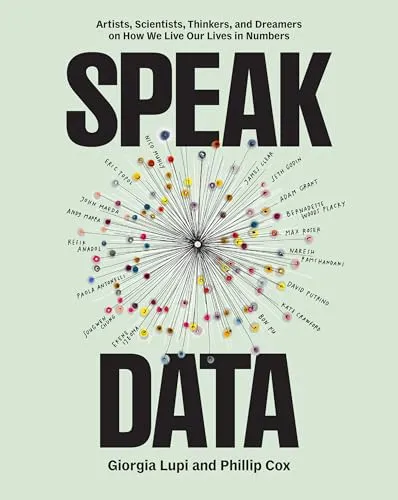
"Speak Data" by Giorgia Lupi and Phillip Cox
Conversations and hand-drawn visuals on data as a human language — how numbers describe lives, not just trends.
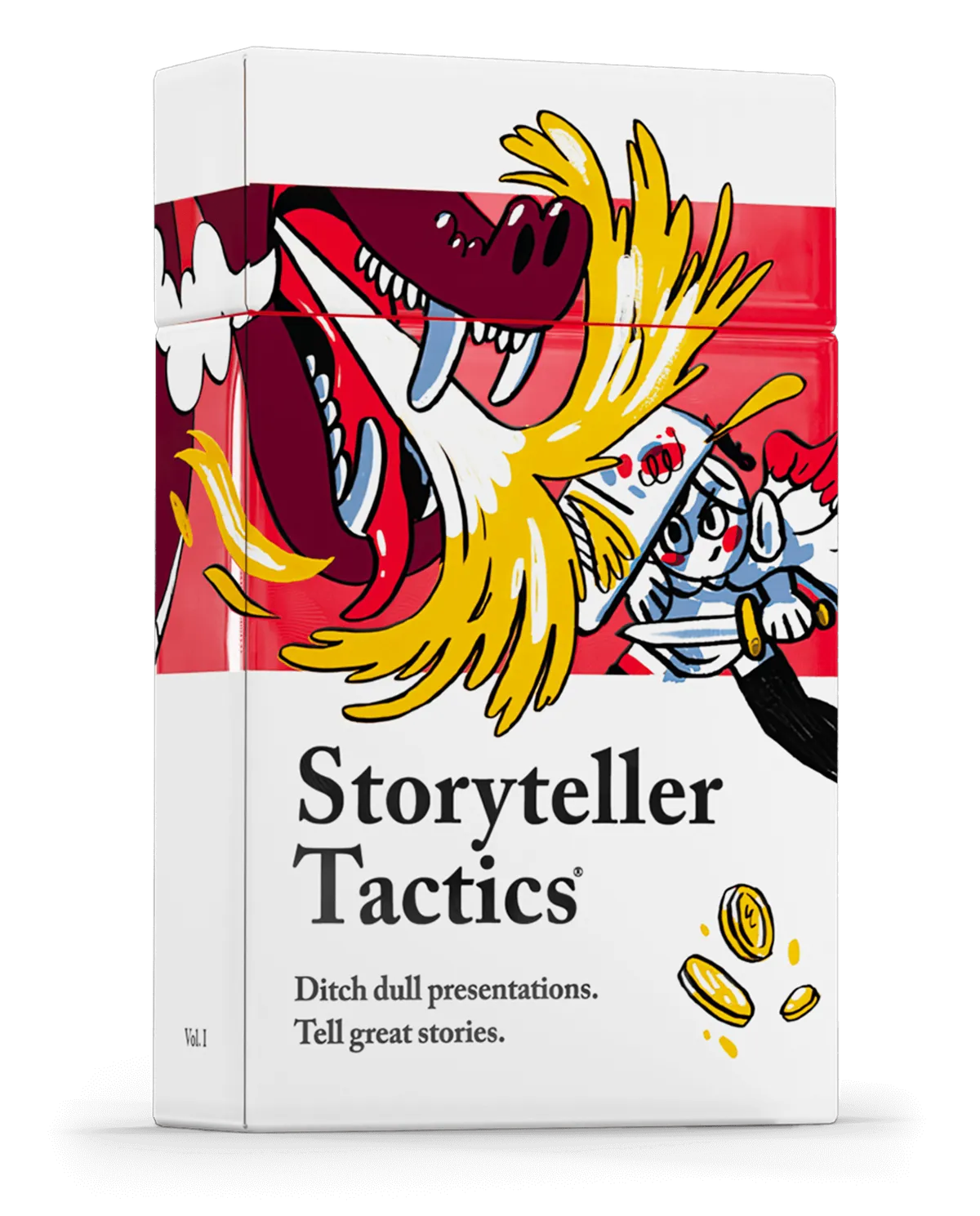
"Storyteller Tactics" by Steve Rawling
Fifty-four storytelling cards for pitches, presentations, and product narratives — pick a tactic and apply it in minutes.
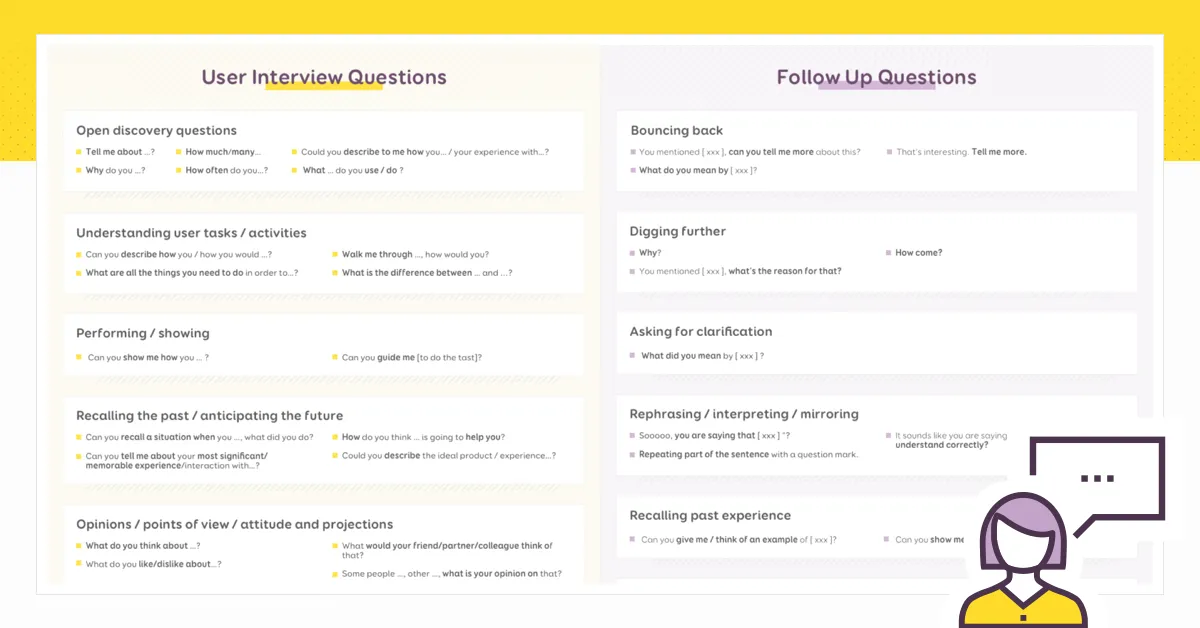
"UX Research Cheat Sheets" by Stéphanie Walter
Ready-to-use interview question fragments, printable cards, and workshop boards for writing stronger research guides.
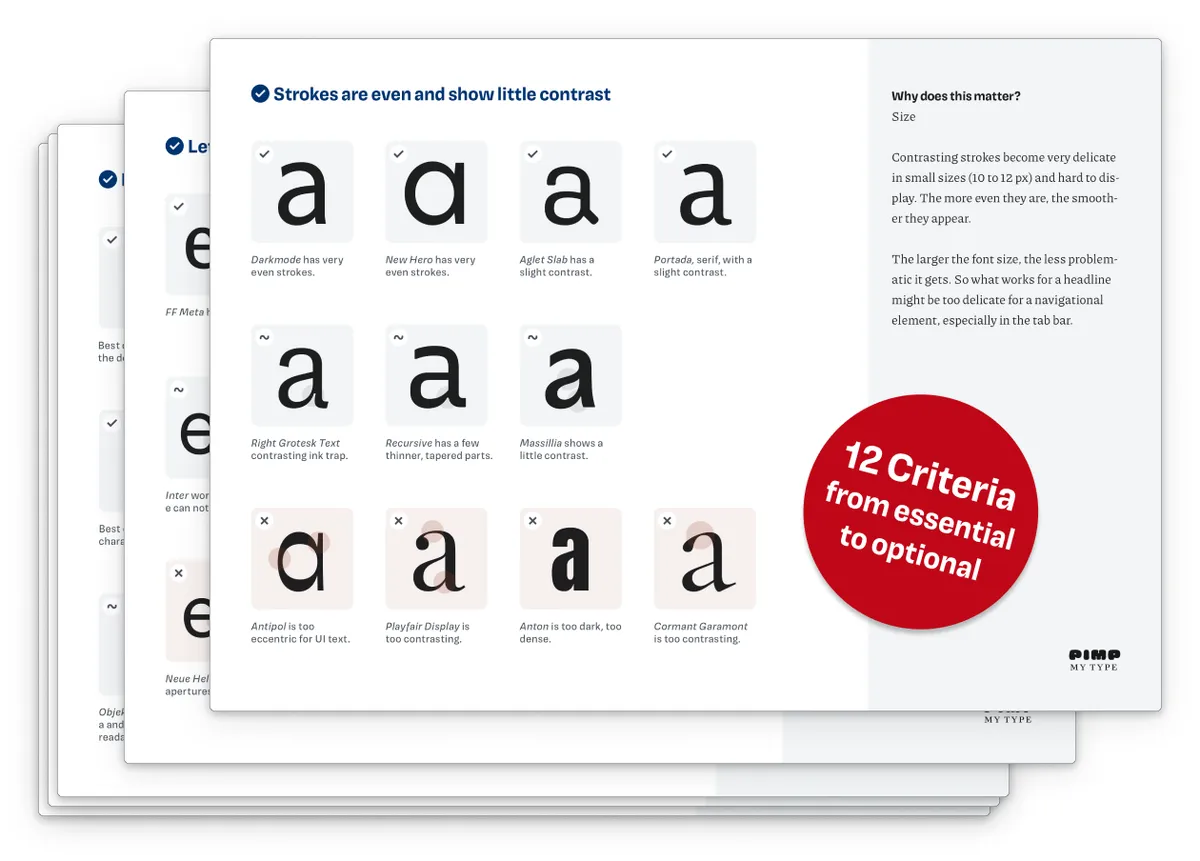
"UI Fonts Checklist" by Oliver Schöndorfer
A criteria-based checklist — plus font recommendations — for choosing typefaces that hold up in interfaces.
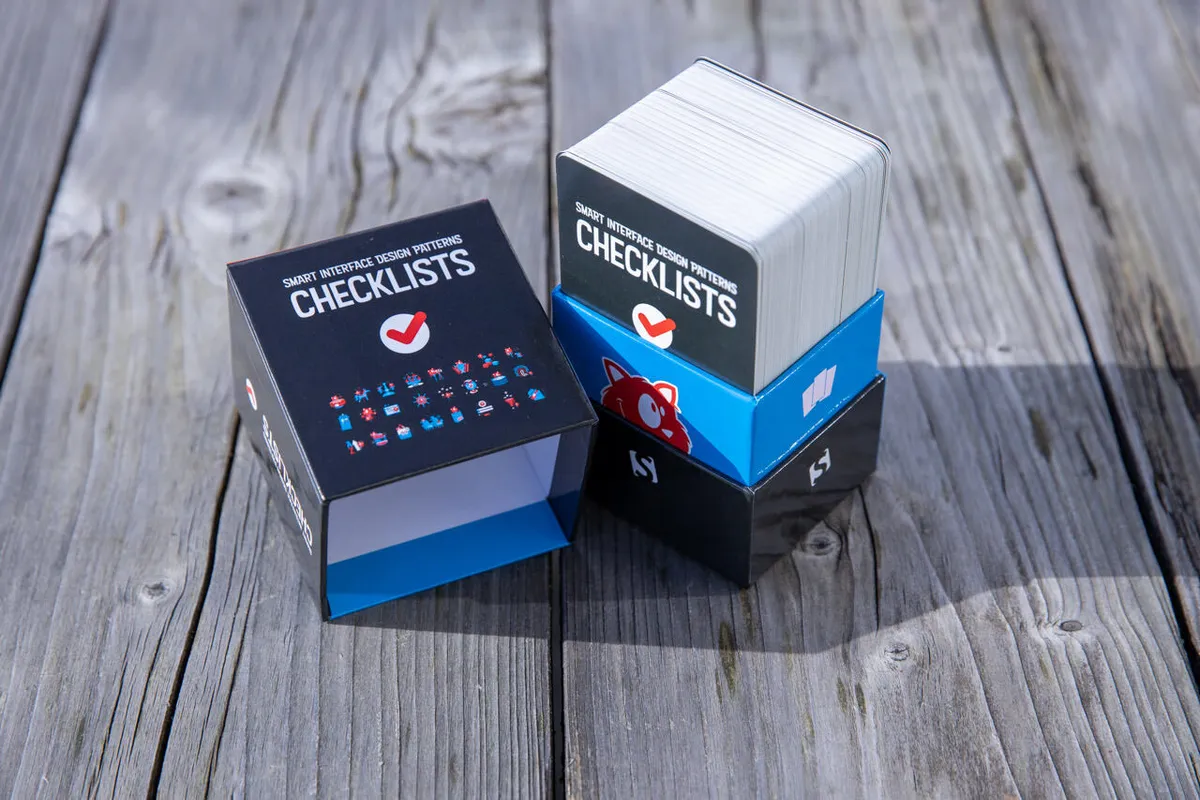
"Smart Interface Design Patterns" by Vitaly Friedman
A deck of checklist cards covering common UI components — forms, navigation, tables, and the details teams forget under deadline.
Frequently Asked Questions
What are the best UX design books in 2026?
Don't Make Me Think by Steve Krug, The Design of Everyday Things by Don Norman, and Designing Interfaces by Jenifer Tidwell top most UX design books lists in 2026. Designing for Interaction and The Elements of User Experience round out a strong starter shelf for UI/UX designers.
What are the best UX design books for beginners?
Don't Make Me Think by Steve Krug, Designing for Interaction by Dan Saffer, and Designing Interfaces by Jenifer Tidwell provide strong foundations in usability, interaction design, and UI patterns.
What book should designers read about client work?
Design Is a Job by Mike Monteiro covers contracts, pricing, and working with clients — essential reading for freelancers and agency designers.
Are design books still relevant with so many online tutorials?
Yes — books offer structured thinking and timeless principles. Pair them with the games and tools on Design Sweets for both theory and practice.
What design book covers web layout best?
Bulletproof Web Design by Dan Cederholm remains a practical guide to resilient, flexible layouts. Designing Interfaces by Jenifer Tidwell is also excellent for UI pattern reference.
How should I read design books as a working designer?
Read with a current project in mind — apply one concept per chapter to real work. Books on interaction design and client management pay off fastest when you immediately test ideas in your workflow.